

Being told you have a gallbladder polyp can be unsettling, especially when it turns up by chance on a scan you had for something else entirely. The good news is that the vast majority of these polyps are completely harmless and never cause a problem. A small number do carry some risk, and the whole point of a structured approach is to sort one group from the other without putting anyone through surgery they don't need.
This guide explains what gallbladder polyps are, how they're assessed, and what the current European guidelines recommend. It reflects the 2022 joint guidelines produced by the European Society of Gastrointestinal and Abdominal Radiology (ESGAR) and its partner surgical and endoscopy societies, which are the standard used in both NHS and private practice.
What is a gallbladder polyp?
The gallbladder is a small pouch that sits under the liver and stores bile. A polyp is simply a raised area growing from the inner lining of the gallbladder wall. Most are picked up incidentally during an ultrasound scan of the tummy, and most people have no symptoms from them at all.
Not all polyps are the same, and the type matters far more than the word "polyp" might suggest:
- Cholesterol polyps are by far the most common, making up roughly 62% of all gallbladder polyps. These are deposits of cholesterol, not tumours, and they carry no cancer risk.
- Pseudo-polyps, including small cholesterol deposits and inflammatory polyps, are also benign.
- Adenomas account for around 6% of polyps. These are true growths and do carry a small potential to change over time, which is why size and other features are watched closely.
The shape of a polyp also gives useful clues. Polyps on a thin stalk with a "ball on the wall" appearance sit in the lowest risk group. Polyps with a broad base or a flat, sessile shape, or those with thickening of the nearby gallbladder wall, are treated with more caution.
How gallbladder polyps are assessed
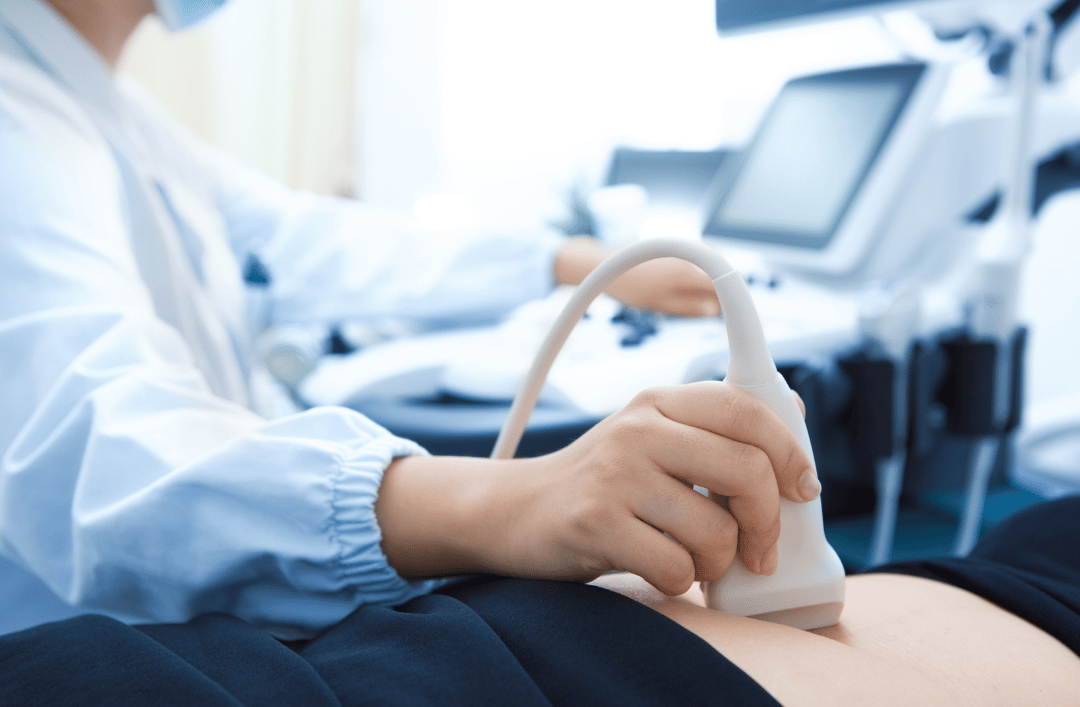
Ultrasound is the primary tool for looking at gallbladder polyps. It's quick, safe, involves no radiation, and gives a clear picture of the size, shape, and number of polyps. In specialist centres, endoscopic ultrasound or contrast-enhanced ultrasound can add detail in selected cases, but for most people a standard scan is enough.
Two things drive every decision that follows: the size of the polyp and whether you have any risk factors for the small minority that turn out to be significant.
The size of the polyp
Size is the single most important measurement, and the guidelines set clear thresholds.
Polyps of 10mm or larger. Surgery to remove the gallbladder is recommended, provided you're fit for and happy to proceed. Larger polyps carry enough potential risk that removal is the safer course.
Polyps of 6 to 9mm. This is where individual risk factors decide the plan. If you have one or more risk factors, surgery is recommended. If you have none, careful monitoring with repeat scans is the usual approach.
Polyps of 5mm or less. If you have no risk factors, no follow-up is needed at all. If you do have risk factors, a short period of monitoring is recommended to be sure the polyp stays stable.
The risk factors that matter
The guidelines identify a specific set of features that raise the level of concern. Having one or more of these shifts the balance towards treatment:
- Age over 60
- Primary sclerosing cholangitis, a condition affecting the bile ducts
- Asian ethnicity
- A sessile (broad-based or flat) polyp, or thickening of the gallbladder wall next to the polyp of more than 4mm
If none of these apply to you and your polyp is small, the likelihood of anything serious is very low.
When monitoring is the right choice
For polyps that fall into the watch-and-wait group, the recommended schedule is a follow-up ultrasound at 6 months, 1 year, and 2 years. This applies to two situations: a 6 to 9mm polyp with no risk factors, or a polyp of 5mm or less in someone who does have risk factors.
If the polyp hasn't grown after two years, monitoring can safely stop. A few clear rules guide what happens if things change along the way:
- If a polyp grows to 10mm during monitoring, surgery is advised.
- If it grows by 2mm or more within the two years, the current size is reviewed alongside your risk factors — sometimes with a multidisciplinary team discussion — to decide whether to continue watching or to operate.
- If the polyp disappears, which cholesterol deposits sometimes do, monitoring can stop.
This staged approach means you're neither rushed into an operation nor left without oversight.
What surgery involves
When removal is the right decision, the operation is a laparoscopic cholecystectomy — keyhole removal of the gallbladder. It's one of the most commonly performed operations in the UK and is usually done as a day case, meaning most people go home the same day. The gallbladder isn't essential for digestion, and life without it is normal for the great majority of patients.
Removing the gallbladder also allows the polyp to be examined properly under the microscope, which gives a definitive answer about its nature.
The takeaway
If you've been told you have a gallbladder polyp, the most important message is that most are harmless and many need nothing more than reassurance. The size of the polyp and your individual risk profile determine whether the right path is watchful monitoring or removal, and a clear guideline-based approach makes that decision straightforward.
What matters is that the assessment is done properly and that the plan is explained to you clearly, so you understand exactly why you're being watched, discharged, or offered surgery.
This article is for general information and does not replace a personal consultation. Any decision about your care should be made with your own clinician, based on your individual circumstances.