Weight-loss injections and gallstones: what you need to know
In recent months, I have seen a noticeable increase in patients attending clinic with gallstone symptoms after using weight-loss injections such as Mounjaro® (tirzepatide) and similar medications. These treatments can be highly effective for weight loss and diabetes control, but rapid weight loss itself is a well-recognised risk factor for gallstone disease.

Why does rapid weight loss increase gallstones?
The gallbladder stores bile, which helps digest fats. When weight loss is very rapid, two things happen:
Bile becomes more concentrated with cholesterol
During rapid weight loss, the liver releases extra cholesterol into bile. This makes bile “thicker” and more likely to form crystals, which can grow into gallstones.
The gallbladder empties less effectively
With reduced calorie and fat intake, the gallbladder contracts less often. When bile sits still for long periods, stones are more likely to form.
This mechanism has been known for many years and was previously seen after very-low-calorie diets and bariatric surgery. Weight-loss injections can produce similar effects, particularly when weight loss is fast and substantial.
What symptoms should you watch for?
Gallstones may cause no symptoms at first, but common warning signs include:
Pain in the upper right or central abdomen, often after meals
Pain that radiates to the back or right shoulder
Nausea or vomiting
Bloating or indigestion-type symptoms
In more serious cases: fever, jaundice (yellowing of the eyes), or dark urine
If stones move into the bile duct, they can lead to infection or pancreatitis, which requires urgent medical attention.
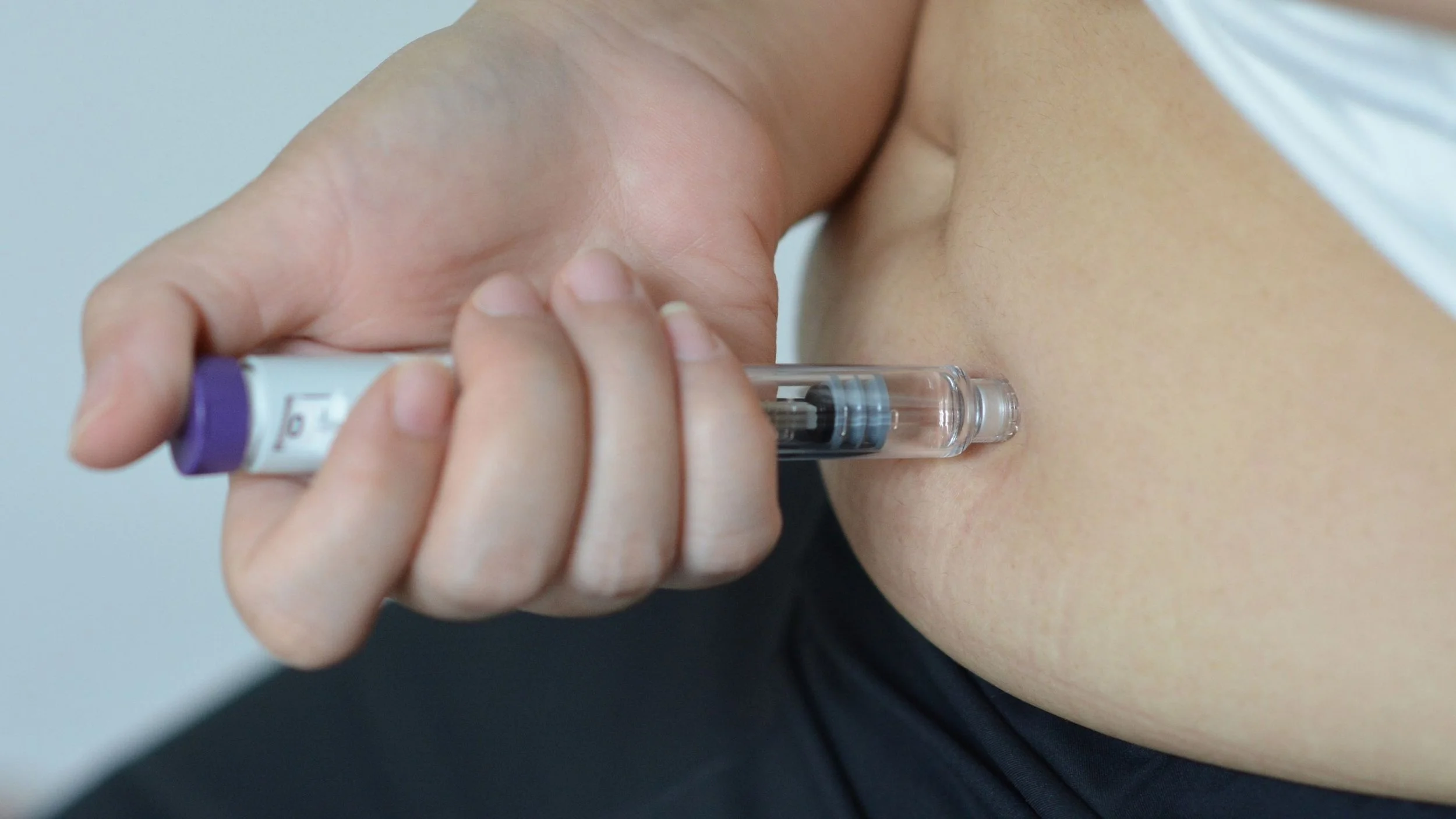
Should you stop your weight-loss medication?
Not necessarily. Many patients benefit greatly from these medications. However, new abdominal symptoms should never be ignored, and gallstones need proper assessment. Decisions about continuing treatment should be individualised and made with specialist advice.
How are gallstones treated?
If gallstones are causing symptoms, the most effective treatment is usually keyhole (laparoscopic) gallbladder surgery, which is safe, well-established, and allows a rapid return to normal activity. In more complex cases involving the bile duct or liver, specialist expertise is essential.
Expert assessment matters
As a liver and biliary surgeon, I frequently manage gallstone disease, including cases linked to rapid weight loss. If you are using weight-loss injections and have developed abdominal symptoms, early assessment can prevent complications and provide clarity about the best next steps.