
Information for Patients
-
Mr Farid aims to see patients in as little as a few days and operated on in as little as two weeks.
You can book online or by contacting his private medical secretary.
Via your GP — ask your GP to send a referral letter directly to Mr Farid's secretary
Self-referral — you're welcome to contact us directly without a GP referral if you'd prefer
Via your insurer — if you have private health insurance, contact your provider for a referral number before booking
Once we receive your enquiry, you'll hear back within 24 hours.
-
Your first appointment with Mr Farid is a chance to talk through your symptoms, ask questions and understand your options.
Consultations typically last around 20 minutes. Mr Farid will take time to understand your medical history, discuss any scans or test results you've already had, and explain clearly what the next steps might be.
A few things to bring with you:
Any previous scan results or letters from your GP
A list of current medications
Your insurance details (if applicable)
Any questions you want to ask
-
Mr Farid sees private and insured patients.
Self-pay Fixed-price packages are available for a range of procedures, estimate quotes can be provided upfront however, final quotes will be provided after your initial consultation. For a quote, please contact the secretary directly.
Private health insurance Mr Farid is recognised by all major UK insurers including BUPA, AXA Health, Vitality, Aviva and Cigna. Please confirm your cover and obtain pre-authorisation from your insurer before your appointment.
-
Do I need a GP referral?
No. While many patients come via their GP, you're welcome to self-refer and contact the practice directly.
How quickly can I be seen?
Most patients are offered an appointment within days. Where surgery is needed, Mr Farid's team works to ensure this is arranged as quickly as possible — often within two weeks.
What conditions does Mr Farid treat?
Mr Farid specialises in general, hepatobiliary and liver transplant surgery, covering conditions including hernias, gallstones and gallbladder disease, liver tumours and cysts, and complex abdominal surgery.
Is my consultation confidential?
Yes, completely. All consultations are conducted in strict confidence in line with GMC guidance and UK data protection law.
What happens if surgery is recommended?
Mr Farid will explain the procedure in full — what's involved, the risks and benefits, and what recovery looks like. Nothing will be booked without your informed consent.
Can I bring someone with me?
Yes. You're welcome to bring a family member or friend for support.
Do you accept private health insurance?
Yes. Mr Farid is recognised by all major UK insurers. Contact your insurer before your appointment to confirm your cover and obtain a pre-authorisation number.

Find the right articles for you by clicking on the below categories
Driving after hernia surgery
It is one of the most practical questions patients ask before hernia surgery and one of the most important for getting back to normal life. Whether it is the school run, the commute, or simply the independence that comes with being able to drive, most patients want to know how soon they can get back behind the wheel. The answer depends on a few factors, and it is worth understanding them properly rather than guessing.
Can the liver really repair itself, and how far does that go?
The liver has a reputation for resilience. Most people have heard that it can regenerate, that it grows back, that it is somehow more forgiving than other organs. There is truth in this but it is also a reputation that can lead people to underestimate how much damage is too much, and to delay seeking help when they should not.

Weight-loss injections and gallstones: what you need to know
In recent months, I have seen a noticeable increase in patients attending clinic with gallstone symptoms after using weight-loss injections such as Mounjaro® (tirzepatide) and similar medications. These treatments can be highly effective for weight loss and diabetes control, but rapid weight loss itself is a well-recognised risk factor for gallstone disease.

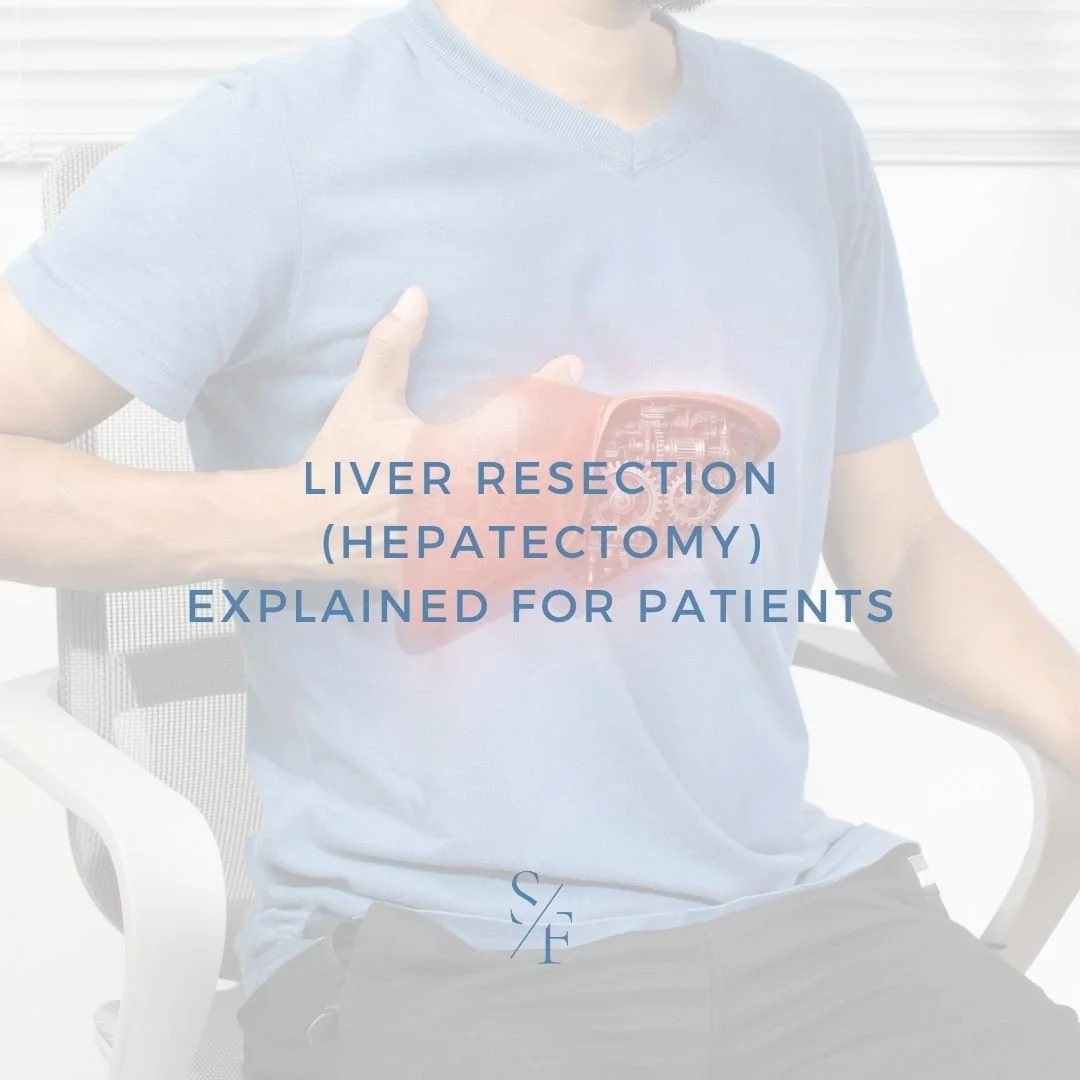
Liver Resection (Hepatectomy) Explained for Patients
Liver resection (hepatectomy) is surgery to remove part of the liver, often to treat liver cancer or metastases. The liver can regenerate after surgery. The procedure involves removing the diseased section, controlling blood vessels, and requires a hospital stay of 5–7 days. Recovery allows many patients to return to normal life.
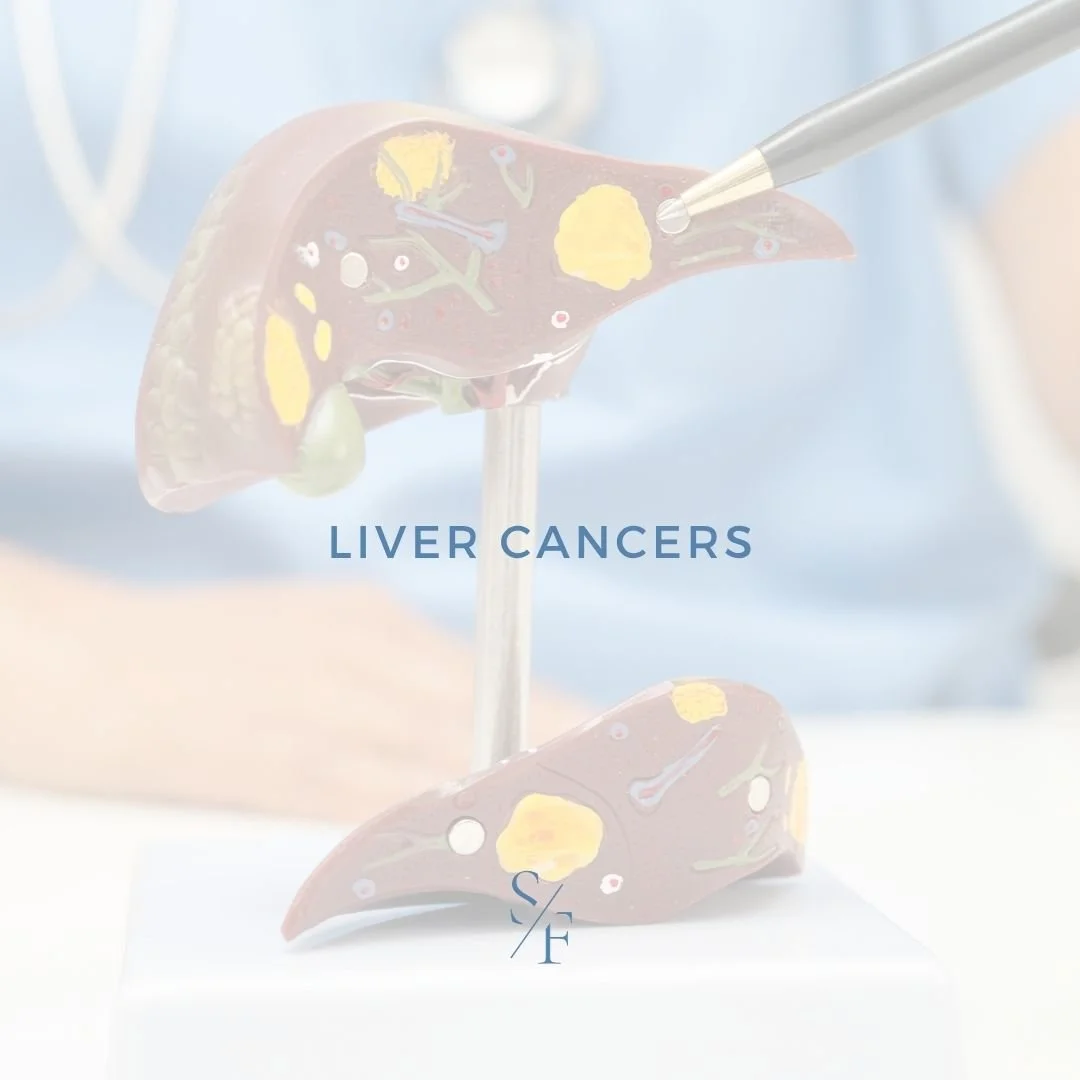
Liver Cancers
Liver cancers include colorectal liver metastasis (CRLM), hepatocellular carcinoma (HCC), and cholangiocarcinoma. Treatments often involve surgery, ablation, or chemotherapy. Recovery requires rest, pain management, a healthy diet, and regular follow-ups to monitor liver function and detect recurrence.
Abdominal Hernias
Abdominal hernias occur when tissue pushes through weak spots in the abdominal muscles, commonly in the groin (inguinal), belly button (umbilical), or at previous surgery sites (incisional). Treatment often involves laparoscopic or open surgery, followed by careful recovery to prevent complications.
Liver Cysts Overview
Liver cysts are fluid-filled sacs, usually harmless and symptom-free. Large cysts can cause discomfort and may need treatment like drainage or laparoscopic removal. Most cysts don’t affect long-term health, and recovery after treatment is typically quick.
Long-Term Outcomes After Laparoscopic Cholecystectomy
Most patients find lasting relief from gallstone symptoms after laparoscopic cholecystectomy, with normal digestion resuming over time. Some may experience mild digestive changes or rare complications like bile reflux, but overall, long-term outcomes are positive with minimal lifestyle impact.
After Laparoscopic Cholecystectomy: What to Expect
After laparoscopic cholecystectomy, most recover quickly, returning to normal activities in 1–2 weeks. Expect some incision soreness and temporary shoulder pain. Start with light, low-fat meals and follow your doctor’s advice. Watch for signs of complications and attend follow-up appointments.
Risks of Laparoscopic Cholecystectomy
Laparoscopic cholecystectomy is generally safe but carries risks like shoulder pain, infection, bleeding, bile duct injury, blood clots, retained stones, and rarely, conversion to open surgery. Most patients recover well with minimal complications.
Laparoscopic Cholecystectomy Explained
Laparoscopic cholecystectomy is a minimally invasive surgery to remove the gallbladder using small incisions, offering faster recovery, less pain, and minimal scarring—making it the preferred treatment for symptomatic gallstones.

Gallstones: An Overview
Gallstones are hardened deposits in the gallbladder that can cause pain, nausea, or serious complications. While often symptomless, treatment may involve minimally invasive surgery to remove the gallbladder and restore normal bile flow.