Can the liver really repair itself, and how far does that go?
The liver has a reputation for resilience. Most people have heard that it can regenerate, that it grows back, that it is somehow more forgiving than other organs. There is truth in this but it is also a reputation that can lead people to underestimate how much damage is too much, and to delay seeking help when they should not.

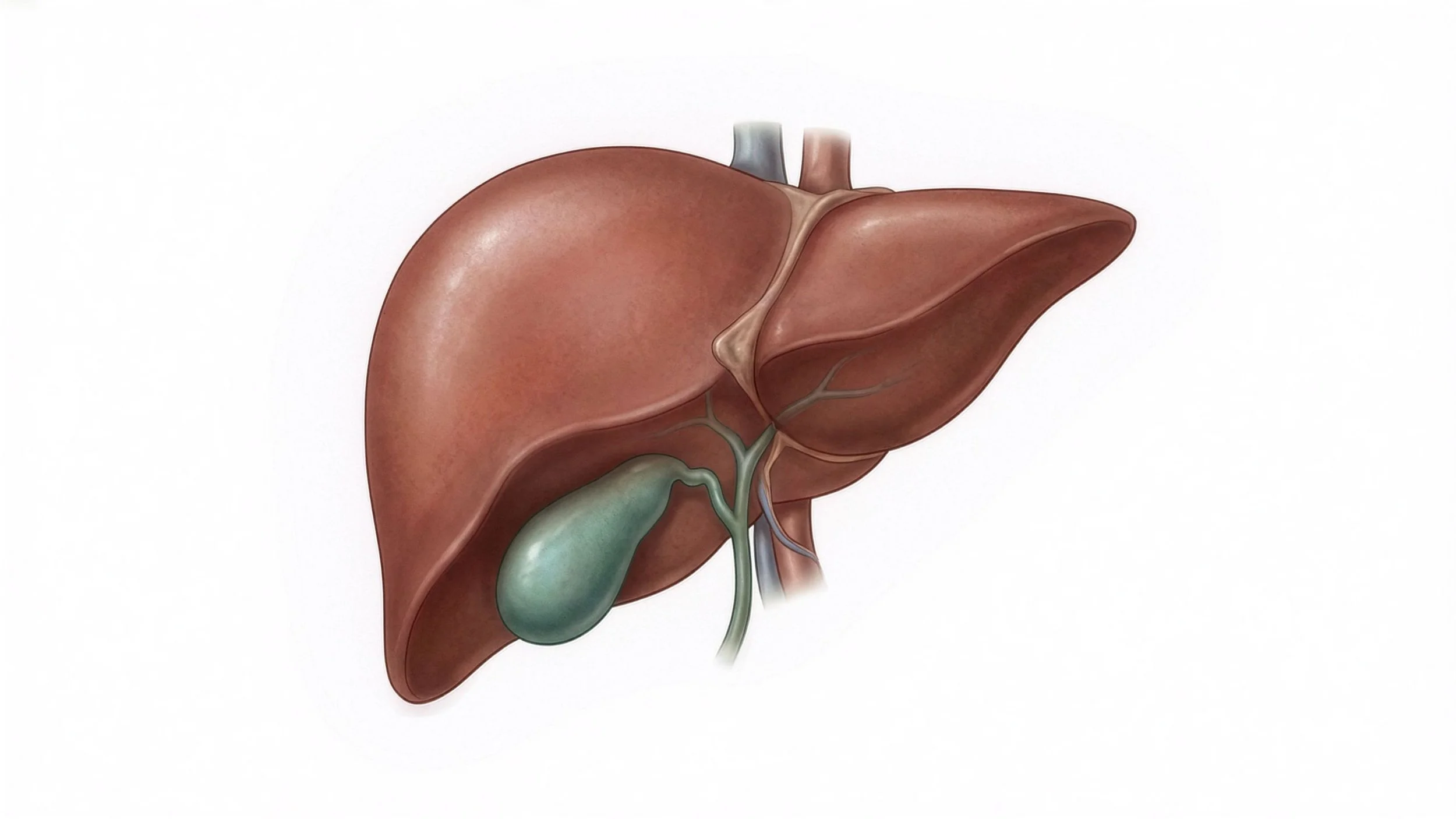
The liver is genuinely remarkable, it is the only solid organ in the human body with the ability to regenerate itself. If a portion of healthy liver tissue is removed (as happens during liver resection surgery) the remaining liver will grow to compensate, often reaching close to its original size within six to eight weeks. This is not a slow, gradual process, it is rapid and precisely regulated. The liver essentially knows how much of itself is missing and responds accordingly. It is one of the most extraordinary biological processes in human medicine, and it is what makes complex liver surgery possible, including the donation of part of a liver from a living donor.
In surgery, we rely on this regenerative capacity. When we remove a tumour along with a significant portion of the liver, the expectation is that the remaining liver will grow to take on the full workload. In healthy liver tissue, it reliably does.
So why can't the liver always repair itself?
The key distinction is between regeneration and repair of damage. The liver can regenerate lost volume. What it cannot always do is reverse the scarring caused by sustained injury. When the liver is repeatedly damaged by alcohol, chronic viral hepatitis, fatty liver disease, or other causes, it responds by laying down scar tissue. This is called fibrosis. In the early stages, fibrosis is partially reversible. Remove the cause of damage, and the liver has a genuine capacity to recover. But when fibrosis progresses to cirrhosis (extensive, widespread scarring that disrupts the architecture of the liver), the damage becomes largely irreversible. Cirrhotic liver tissue does not regenerate in the same way that healthy liver tissue does. The liver becomes nodular, stiff and progressively less able to perform its functions. This is the point at which the liver's famous resilience reaches its limit.
Can liver damage be reversed?
This depends entirely on the stage and cause of the damage.
Early fibrosis: if the underlying cause is identified and removed, early liver scarring can partially or fully reverse. Patients who stop drinking, achieve sustained viral suppression in hepatitis, or lose weight and reverse fatty liver disease can see genuine improvement in liver health, sometimes quite significant improvement.
Advanced fibrosis: partial reversal is possible in some cases, particularly with sustained lifestyle change or effective treatment of the underlying cause. The liver retains more plasticity than was once thought.
Cirrhosis: at this stage, the structural damage is largely permanent. The priority shifts from reversing damage to preventing further progression, managing complications, and in appropriate cases, assessing suitability for liver transplantation.
Acute liver injury: a sudden, severe insult to the liver, such as paracetamol overdose or acute viral hepatitis, can cause dramatic loss of function very rapidly. In some cases the liver recovers fully. In others, acute liver failure develops and transplantation becomes necessary.
What accelerates liver damage?
Several factors hasten progression from early to advanced liver disease:
Continued alcohol use in the context of existing liver damage
Obesity and metabolic syndrome, which drive non-alcoholic fatty liver disease
Uncontrolled diabetes
Untreated viral hepatitis
Certain medications taken in excess or without monitoring
Multiple overlapping causes — for example, alcohol combined with fatty liver disease
The liver will compensate quietly for a long time, by the time symptoms appear, significant damage may already have occurred.
One of the most clinically important features of liver disease is how little it announces itself in the early stages. The liver has no pain receptors of its own. It does not hurt when it is damaged. This is why routine blood tests that include liver function are valuable, and why symptoms that do appear should be taken seriously rather than attributed to something else.
The liver's ability to regenerate is real, impressive and clinically significant. But it has limits and those limits matter. Early liver damage, identified and addressed promptly, carries a genuinely good prognosis. Advanced cirrhosis does not reverse. The window between the two is where intervention makes the greatest difference, which is why symptoms, abnormal blood tests, or known risk factors should always be followed up rather than left to chance. If you have concerns about your liver health, early assessment is straightforward and, in most cases, reassuring.